CLO-002Shelf 03CurrentLogged 11/20/2026
The North Face Retro Denali Jacket
The North Face
Men’s, style NF0A88XH, color code RM0, fit type Standard
A heavy recycled-fleece jacket with nylon overlays, pit zips, and four pockets.

Specification
Specs
- Style
- NF0A88XH[1]
- Overlay
- Woven, on the collar, chest, back yoke, and the backs of the lower sleeves[1]
- Front zip
- Exposed two-way VISLON zip with an internal draft flap[1]
- Pockets
- 4[2]
- Collar
- Stand collar[1]
- Hem
- Adjustable drawcord[2]
- Center back length
- 26.25 in[1]
- Weight
- 25.5 oz, measured by OutdoorGearLab in a men’s medium[2]
The Retro Denali is The North Face’s full-zip fleece jacket in the pattern of the Denali, the fleece it launched in 1988 as part of its Expedition System. The body and lining are recycled polyester, and a woven overlay covers the collar, the chest, the back yoke, and the backs of the lower sleeves.
OutdoorGearLab scored it 9.0 out of 10 for warmth and weighed a men’s medium at 25.5 oz, among the heaviest fleece jackets it has tested. It has pit zips and a two-way front zip, and it snaps into The North Face’s GTX Mountain Jacket.
Details
Built heavy
OutdoorGearLab weighed a men’s medium at 25.5 oz and calls the Denali “among the heaviest fleece jackets we’ve yet tested.” It scores the jacket 3.0 out of 10 for weight.[2]
Warm, not airy
The same review scores warmth at 9.0 and breathability at 5.5, and says the jacket is “not as breathable on warmer days or on sustained uphill hikes.”[2]
Pit zips
OutdoorGearLab calls it “one of the few fleece jackets we tested that offer pit zips.” Scheels lists the feature as pit-zip venting.[1][2]
The overlay
Scheels lists a woven overlay on the collar, chest, back yoke, and lower-back sleeves “for added durability.” OutdoorGearLab describes “a nylon shell at the chest, neck, and elbow areas” and credits it with wind resistance.[1][2]
Where the patches came from
Outside reports that Conrad Anker, one of the first to wear the fleece on Denali, liked the abrasion patches at the shoulders for durability and the patches at the elbows for coverage when climbing in chimneys.[3]
Why it is color-blocked
Outside says the color blocking began as function: high contrast and visibility matter in the mountains.[3]
It fastens into a shell
Scheels lists a Snap-In System, and OutdoorGearLab lists snap-in compatibility with the GTX Mountain Jacket, so the fleece can be worn fastened inside that shell.[1][2]
The cut
The cut is relaxed. OutdoorGearLab found that the jacket “runs uniquely short at the waist” and lists a higher hem among its reasons to avoid it. Scheels gives the center back length as 26.25 in.[1][2]
A wall, then a system
Outside says an early version of the fleece was worn by Todd Skinner and Paul Piana on the first free ascent of El Capitan’s Salathé Wall, which they topped out on June 15, 1988, after 30 days on the 3,000-foot face. That fall The North Face developed its Expedition System, gear tested on Denali and refined for Mount Everest and the Himalayas: shells, down jackets, tents, booties, backpacks, and the fleece.[3]
Anker’s yellow one
Anker’s first big expedition in the jacket was to Ama Dablam, Nepal, in December 1990. Outside says he valued it as a pillow when turned inside out, and that its pockets kept his food warm.[3]
The best seller
Tim Bantle, general manager of The North Face’s lifestyle division when Outside wrote its history in 2020, told the magazine he was “willing to bet that the Denali is the best-selling fleece of all time.”[3]
What “Retro” means
Altitude Sports wrote in 2019 that the retro jackets keep the oversized fit and the colors of the 1995 Denali, and that the biggest change is the fabric: recycled polyester, partly from plastic bottles.[4]
Chronology
- 1988
Todd Skinner and Paul Piana top out on the Salathé Wall on June 15 in an early version of the fleece. That fall The North Face develops its Expedition System, which includes it.[3]
- 1989
Conrad Anker is among the first to wear the fleece on Denali.[3]
- 1990
Anker takes it to Ama Dablam, Nepal, in December.[3]
- 1995
The version that the retro jackets copy is released.[4]
- 2019
The North Face relaunches the 1995 version in September.[3]
- 2026
OutdoorGearLab publishes its review of the Retro Denali on May 1.[2]
Worth knowing
The North Face’s site refuses automated readers, so nothing on this page comes from the maker’s product page. The facts come from a retailer’s listing and three articles.
This page links to the color the maker codes RM0: brown fleece with a black overlay in the maker’s own product photo. None of the pages read for this entry gives that color’s name.[5]
“Standard” is the fit type in the maker’s link. The retailer and the reviewer both describe the cut as relaxed.[1][2]
Check the style number and the color on any listing. Scheels lists four colors under NF0A88XH, and none of them is the brown this page links to.[1]
Sources
- Scheels: Men’s The North Face Retro Denali Fleece Jacket
- OutdoorGearLab: The North Face Retro Denali review, 05/01/2026
- Outside: A Brief History of Your Mom’s Old Fleece, 06/29/2020
- Altitude Sports: The North Face Denali Fleece is Back, 11/21/2019
- The North Face: product photo of style NF0A88XH in color RM0
Also on the shelves
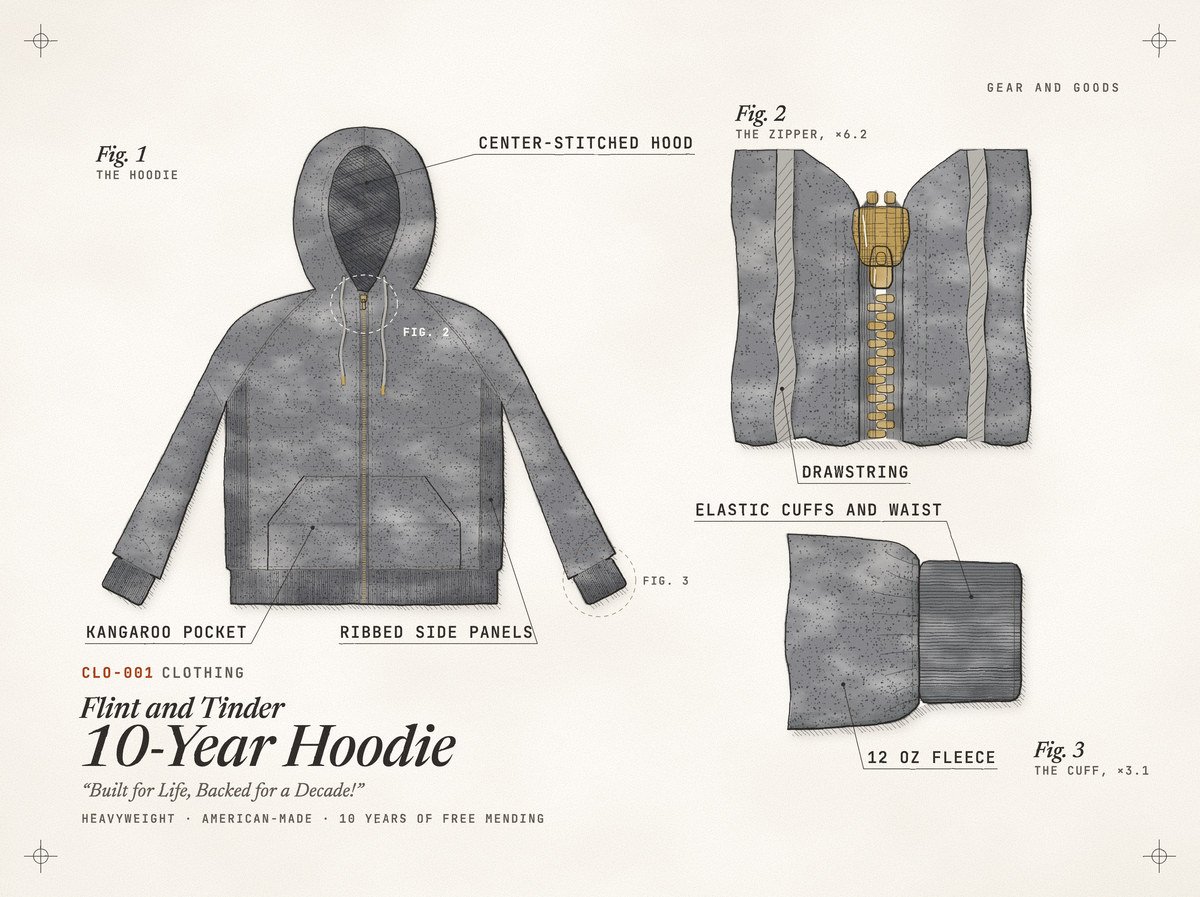
Illustration, not a product photo. Flint and Tinder 10-Year Hoodie
Flint and Tinder
An American-made hooded sweatshirt that comes with ten years of free mending.
Ten-year mendingView specs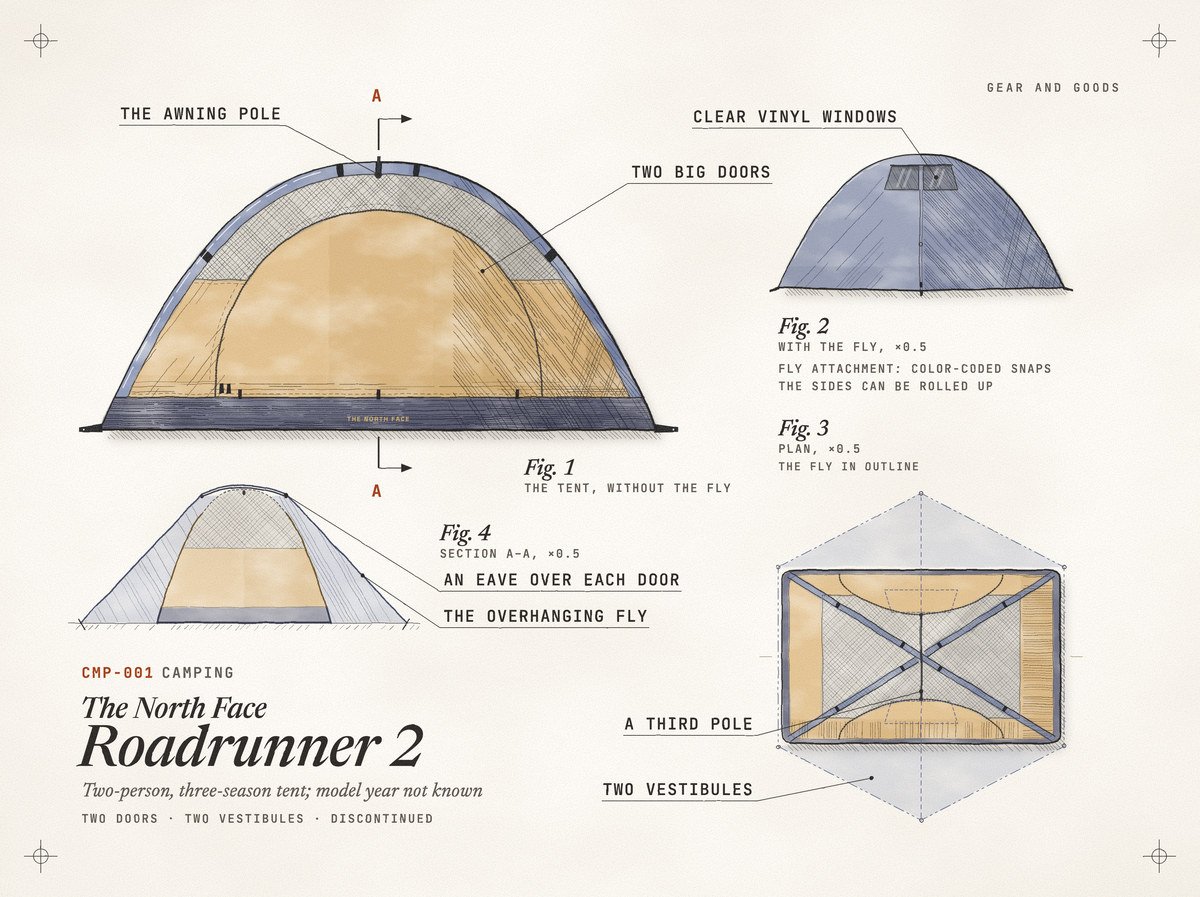
Illustration, not a product photo. The North Face Roadrunner 2
The North Face
A discontinued two-person, three-season tent with two doors and two vestibules.
Three-season tentView specs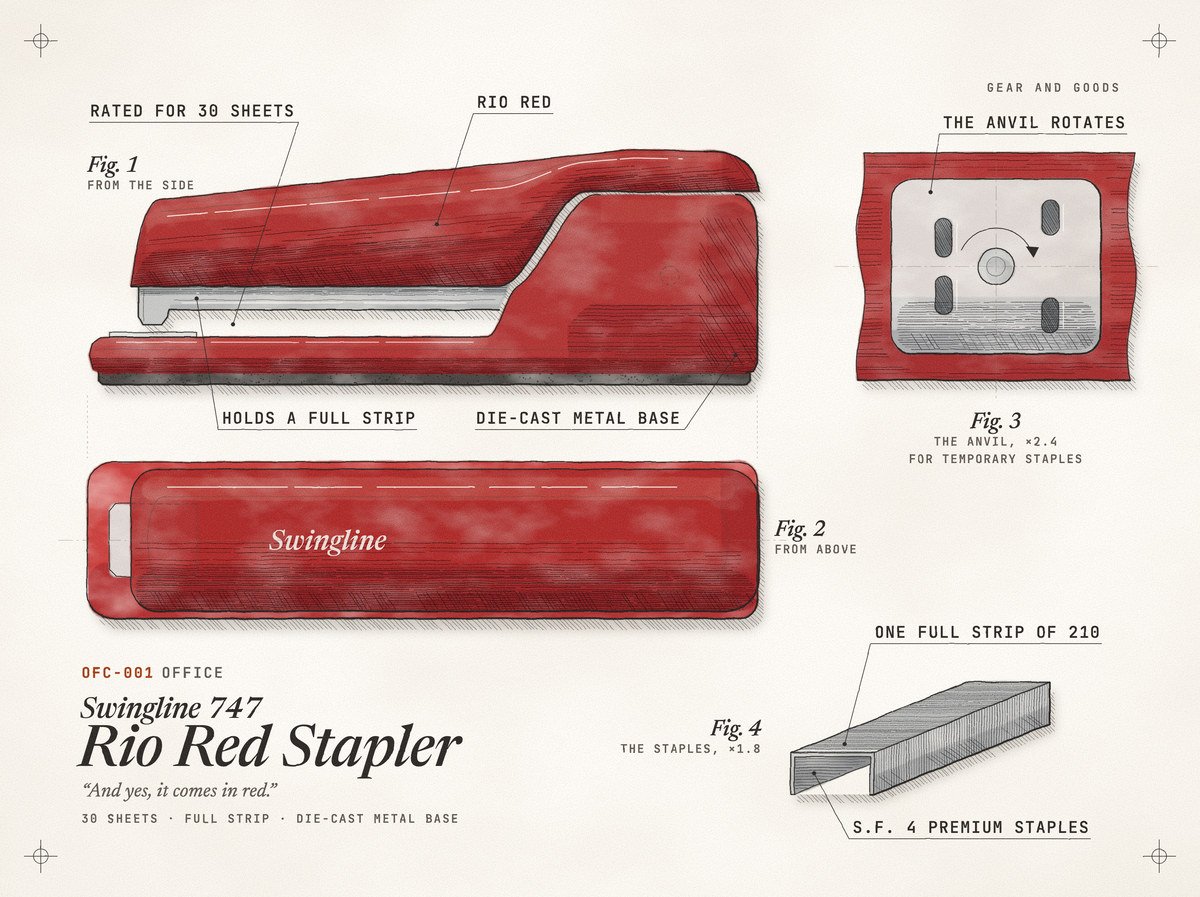
Illustration, not a product photo. Swingline 747 Rio Red Stapler
Swingline
A full-strip metal desktop stapler rated for 30 sheets, in Rio Red.
30-sheet capacityView specs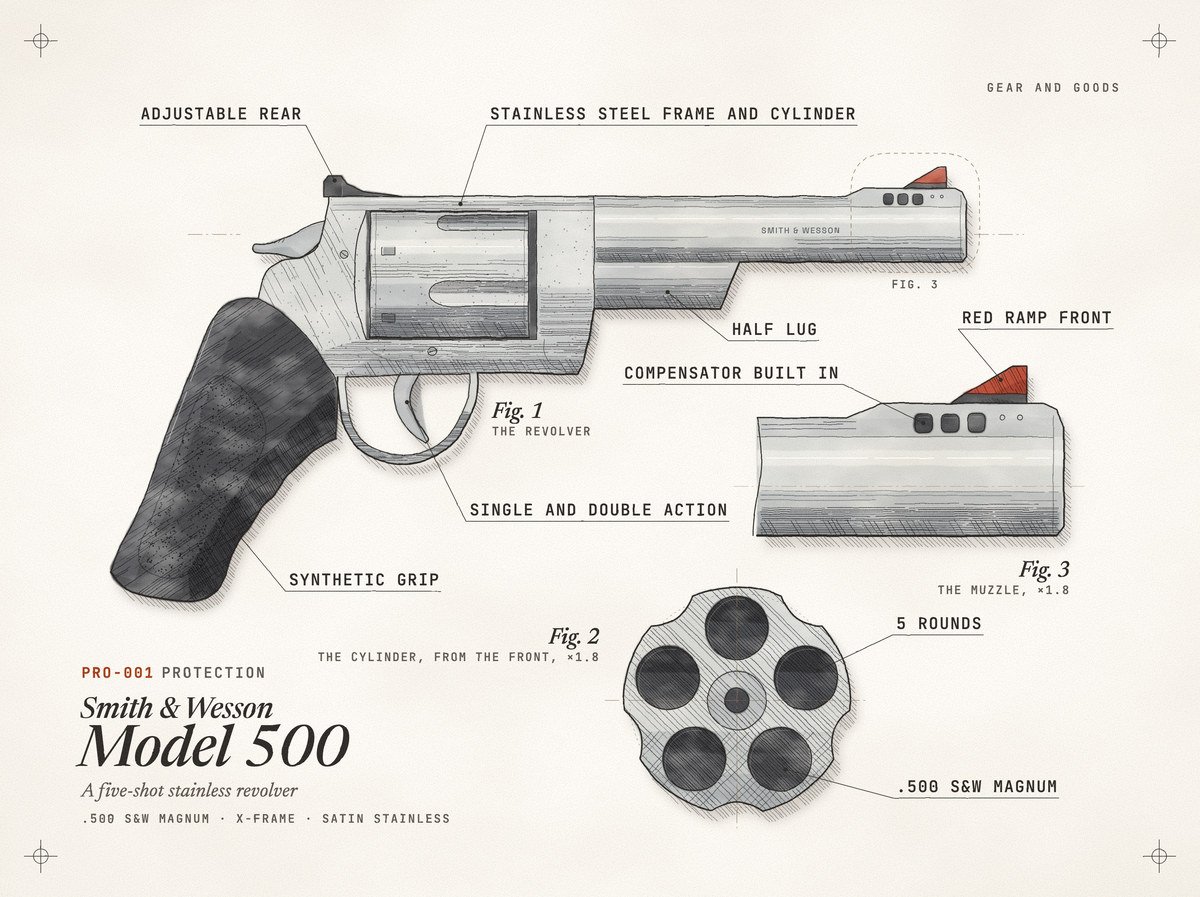
Illustration, not a product photo. Smith & Wesson Model 500
Smith & Wesson
A five-shot stainless revolver chambered in .500 S&W Magnum.
.500 S&W MagnumView specs


